
Save 10 hours a week on shipping bookings by automating your booking processes
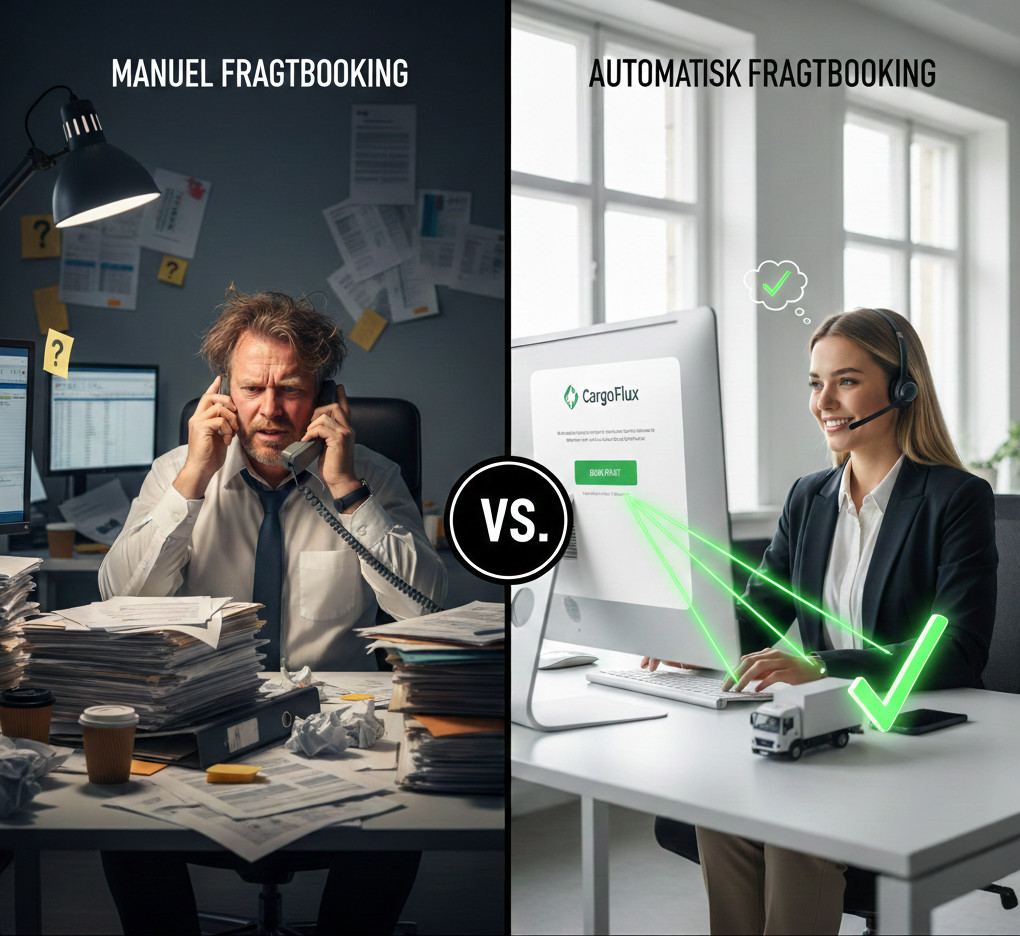
Manual freight booking takes up more time than most people realize. Each booking requires phone or email correspondence with carriers, comparing rates, and coordinating pickup and delivery. It takes time away from other important tasks in the business.
Automating booking processes can free up to 10 hours a week for a typical B2B business. That time can instead be used for customer service, sales, or product development. It is not just about saving time, but also about reducing human error and creating more reliable processes.
This article shows in concrete terms how automation can transform your freight booking from a time-consuming task into a streamlined process.
How much time is lost to manual booking?
A typical freight booking takes between 15 and 30 minutes to complete manually. This includes looking up carriers, obtaining quotes, comparing rates, and making the final booking.
For a business with 20 freight shipments a week, that means 5-10 hours spent on booking alone. That is time that could have been spent on activities that create value for customers and the business.
On top of that come the hidden costs. Errors in the booking process can lead to delays, dissatisfied customers, and extra administrative work. Manual processes are also more vulnerable to staff shortages or holidays.
Automation cuts booking time down to just a few minutes
Modern booking platforms can reduce a booking from 15-30 minutes to 2-3 minutes. The system automatically finds the best shipping options based on your criteria and books directly with the selected carrier.
The platform remembers your preferences and previous choices. If you often ship to certain destinations, the system learns your patterns and suggests the most suitable solutions. That means the booking process becomes even faster over time.
Integration with your existing systems means that order data is automatically transferred to the booking platform. You avoid entering the same information multiple times, which both saves time and reduces the risk of errors.
Fewer errors mean fewer problems
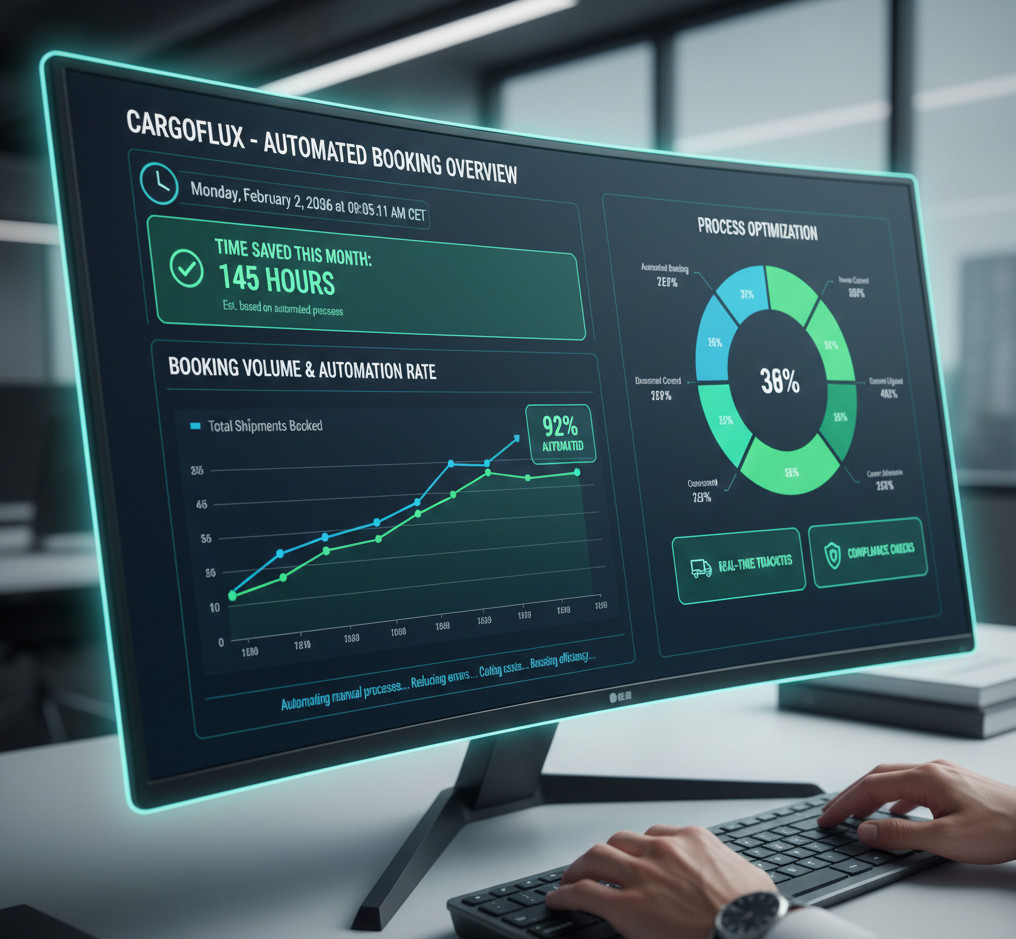
Manual booking carries the risk of errors in addresses, weight registrations, and delivery dates. These errors can lead to delays, extra costs, and frustrated customers.
Automated systems validate data automatically. Addresses are checked against official registries, weight and dimensions are matched against parcel size, and delivery dates are coordinated with carrier capacity. That means fewer booking errors and more reliable delivery.
The system can also warn you if there are inconsistencies in the data. If you try to book a 500 kg pallet to an address where the carrier can only deliver parcels up to 50 kg, you will be notified before the booking is completed.
Greater visibility into shipping costs
Manual booking makes it difficult to keep track of shipping costs. Invoices arrive from different carriers at different times, and it can be hard to compare prices across providers.
An automated booking platform gathers all your shipping data in one place. You can view costs broken down by month, destination, or product type. That makes it easier to identify savings opportunities and negotiate better agreements with carriers.
The platform can also alert you if shipping costs for a specific route rise significantly. That way, you can react quickly and find alternative solutions before it has a major impact on your bottom line.
Scale without proportional growth in administrative work
As the business grows, the number of shipments typically rises proportionally. With manual booking, that also means proportionally more administrative work.
Automation breaks that link. A platform can handle 100 bookings a week almost as easily as 10 bookings. That means your business can grow without having to hire extra staff for shipping administration.
That extra capacity can instead be used for core activities such as product development, customer service, or sales. It creates the foundation for more sustainable growth.
FAQ
How quickly can we see results after implementation?
Most businesses see immediate time savings from the very first booking. The full effect is typically achieved within 2-4 weeks, once employees have learned the system and the integrations are in place.
Does automation also work for specialized freight such as dangerous goods?
Yes, modern platforms handle specialized freight through advanced rule sets. The system ensures that only certified carriers are offered dangerous goods shipments, and that all required documents are generated automatically.
What happens if the system goes down?
Reliable platforms have backup systems and high uptime. Most also offer manual backup solutions, so bookings can continue even if the automated platform is temporarily unavailable.
Conclusion
Automating booking processes can free up to 10 hours a week while also reducing errors and improving visibility into shipping costs. That time can be used for activities that create more value for the business.
Start by mapping out how much time you currently spend on manual booking. Compare that with the potential of automation, and assess which platforms best match your needs and existing systems.