
Get more orders with more shipping options. Grow through more shipping solutions.
If you sell online, you probably know the feeling. You’ve done the work on product, price, and marketing. Still, some customers drop off right before they hit “buy.” Not because they don’t want to purchase—but because they can’t make the delivery fit their needs.
This is where growth through more shipping solutions becomes practical. Not as a big strategy project. More as a concrete extension of your checkout that makes it easier for more customers to complete the purchase.
Udfordringen er at flere fragtmuligheder ofte betyder flere manuelle processer. Flere bookinger. Mere tid. Mere fejlrisiko. Og hvis du allerede kan mærke at de manuelle bookingprocesser er ved at blive uholdbare, så skal du ikke løse “flere muligheder” ved at ansætte dig ud af problemet.
Du skal løse det ved at udvide fragtudbuddet på en måde, hvor du stadig kan bevare overblik og samle transportører under én platform.
Why more shipping options can become a growth driver in your checkout
When you offer more shipping options, it’s really about meeting more customer needs without weighing down your own operations.
A common challenge is that customers drop out when they can’t choose a solution that fits their routine or internal processes. It can be anything from “I want it delivered to a specific place” to “I need a different delivery flow than what you offer.”
If you only offer one or two options, you can find yourself in two unfortunate situations: You lose orders because the customer can’t select a suitable shipping solution. You spend time handling exceptions manually because the customer asks for something you don’t offer as standard.
Both are trigger events that typically make shipping take up more and more space. Especially as order volume grows and the increasing time spent on manual booking processes becomes unsustainable.
The point isn’t to offer “everything.” The point is to offer the shipping options that cover your customers’ needs without breaking your process.
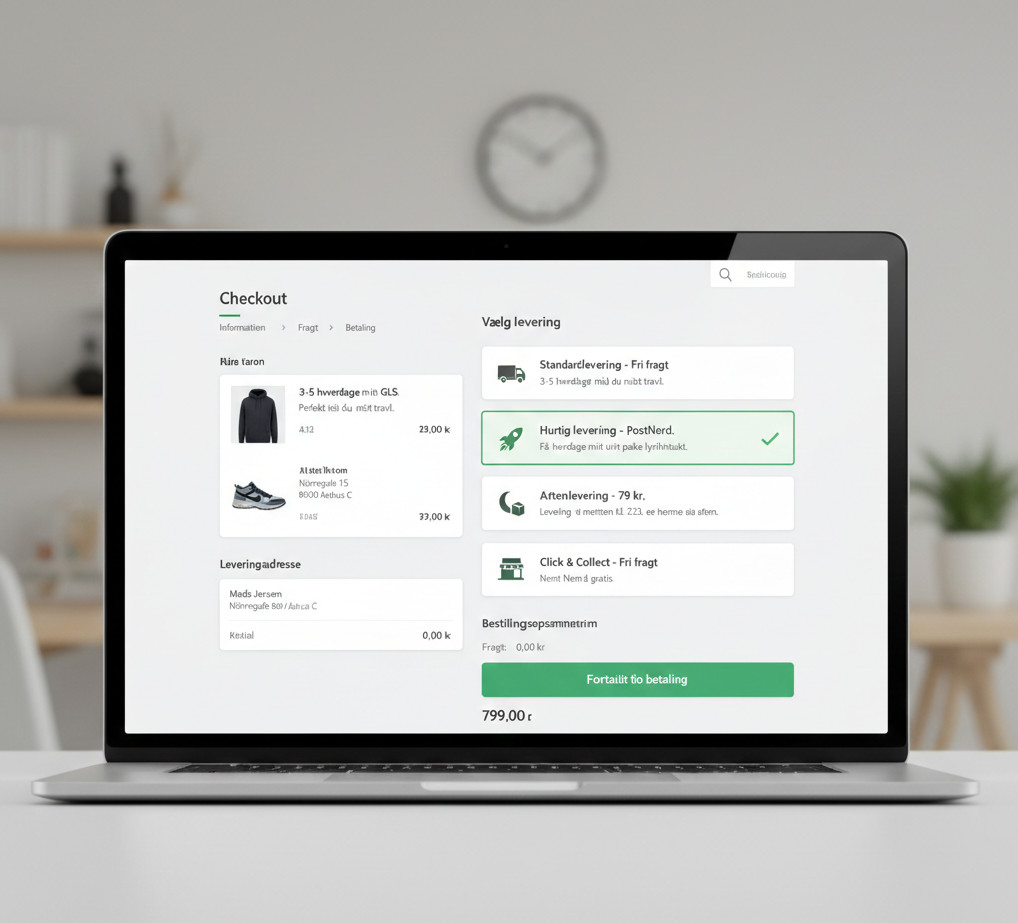
The practical pitfall. More shipping options without more chaos.
There’s a reason many hesitate to expand their shipping lineup. It sounds simple in theory, but in practice it can create friction: More carriers means more places to book. More flows means more deviations in packing and picking. More checkout choices can raise more internal questions if it’s not clear what applies when.
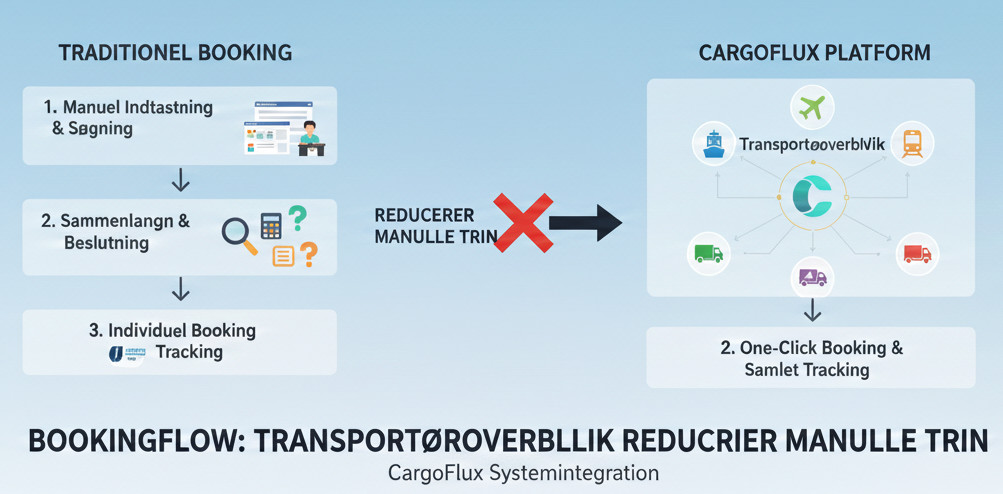
That’s why it makes sense to start with one direction. You need to be able to bring multiple carriers together under one platform, so you’re not creating new manual work for every shipping option you add.
If you don’t, “more shipping options” can just end up meaning “more browser tabs” and more tiny processes that only one person on the team understands.
Checklist. How to expand shipping options without increasing manual work.
Here’s a concrete checklist you can use to expand your shipping options with a focus on visibility and fewer manual processes. It’s written for you who are either already losing customers over shipping or can see that your current booking process can’t scale.
1. Start by defining what “missing transport solutions” means for you
Don’t guess. Describe the problem concretely so you know what you’re expanding for.
Create a short list covering: - Which shipping options do you offer today? - When do you notice they no longer match the customer’s needs? - When do you have to resort to a manual workaround?
Keep it practical. If you can’t explain it to a colleague in two minutes, it’s too unclear.
2. Choose new shipping options based on customer needs, not on what “looks good.”
It can be tempting to add many options at once. It sounds like better service. But if you make the checkout overwhelming or create more special rules, you just move the friction elsewhere.
Instead, pick a few clear additions that address the concrete situations where you currently lose orders or spend time on exceptions.
3. Decide how you’ll prevent more carriers from creating more processes
When the trigger event is that you need to bring multiple carriers under one platform, it’s because the alternative is heavy.
Write down what you want to avoid before implementing anything new: - Booking in multiple systems - Having different internal routines depending on the carrier - Having to “remember” rules instead of building them into the flow
If you don’t make a decision here, you’ll often expand shipping options while also increasing complexity.
4. Make it clear to the customer what they’re choosing, without extra explanation
More shipping options should make it easier to buy. They shouldn’t require customers to understand your logistics.
Go through your checkout and ask: Can the customer understand the difference between the options without contacting you? Are the choices worded to match the customer’s needs rather than your internal terms? Is there anything in the options that creates doubt and therefore abandonment?
You don’t have to write a novel in the checkout. Just make sure the choice feels safe and relevant.
5. Standardize so exceptions don’t become your new normal.
When you add shipping options, small exceptions often arise. That’s where manual processes grow.
Take a typical situation. An order comes in with a new shipping option. What should happen, step by step, from the order arriving until it’s booked?
If the answer is “it depends on…”, you’ve found something to standardize. The goal isn’t to eliminate every exception. The goal is to keep exceptions from becoming the default.
6. Plan how you’ll keep an overview as you scale
When order volume grows, keeping an overview becomes more important than ever. Not for reporting’s sake, but because clarity reduces mistakes and time spent figuring out where things stand.
Ask yourself: Where can you quickly see which shipping choices customers are using? Where can you see how many different carriers you actually operate day to day? How do you spot early if a new shipping option is creating extra manual work?
If you can’t answer that, it’s a sign you need to think more about centralized management before expanding further.
How “more shipping options” actually ties to lower costs in practice
The article abstract says more shipping options can boost conversion without more manual processes, and you can cut costs. The key point here is that it doesn’t happen automatically.
Costs typically drop when you: - reduce time spent on manual booking processes - cut errors and clarifications because the flow is standardized - avoid every new carrier creating its own mini setup and routine
That’s why the focus on bringing carriers together under one platform is so central. It’s about being able to expand without your operational complexity growing at the same pace.
A simple decision filter. Should you add a shipping option?
When you’re considering adding a new shipping option, use this filter: - Does it solve a concrete customer need where you currently lose orders or spend time on exceptions? - Can you implement it without creating a new manual process? - Can you keep it visible alongside your other carriers?
If you can say yes to all three, it’s worth pursuing. If you answer no to point 2 or 3, it’s a signal that you need to get your platform and processes in order first.
FAQ
How can more shipping options bring in more orders?
More shipping options can mean more customers find a transport solution that fits their needs. That can reduce checkout drop-off, especially if you’re currently losing customers due to missing shipping solutions.
How do I avoid more shipping options leading to more manual work?
You avoid it by standardizing your flow and bringing multiple carriers together on one platform, so you don’t have to book and handle each carrier through its own process.
When does it make sense to bring carriers together on one platform?
It makes sense when the growing time spent on manual booking processes becomes unsustainable, or when you need to consolidate multiple carriers so that adding options doesn’t create more complexity and loss of visibility.
Your next step is to review your current checkout and list the spots where customers lack a transport solution. Then pick one new shipping option that solves a specific need, and plan it as part of a unified flow so you’re not building in more manual work.